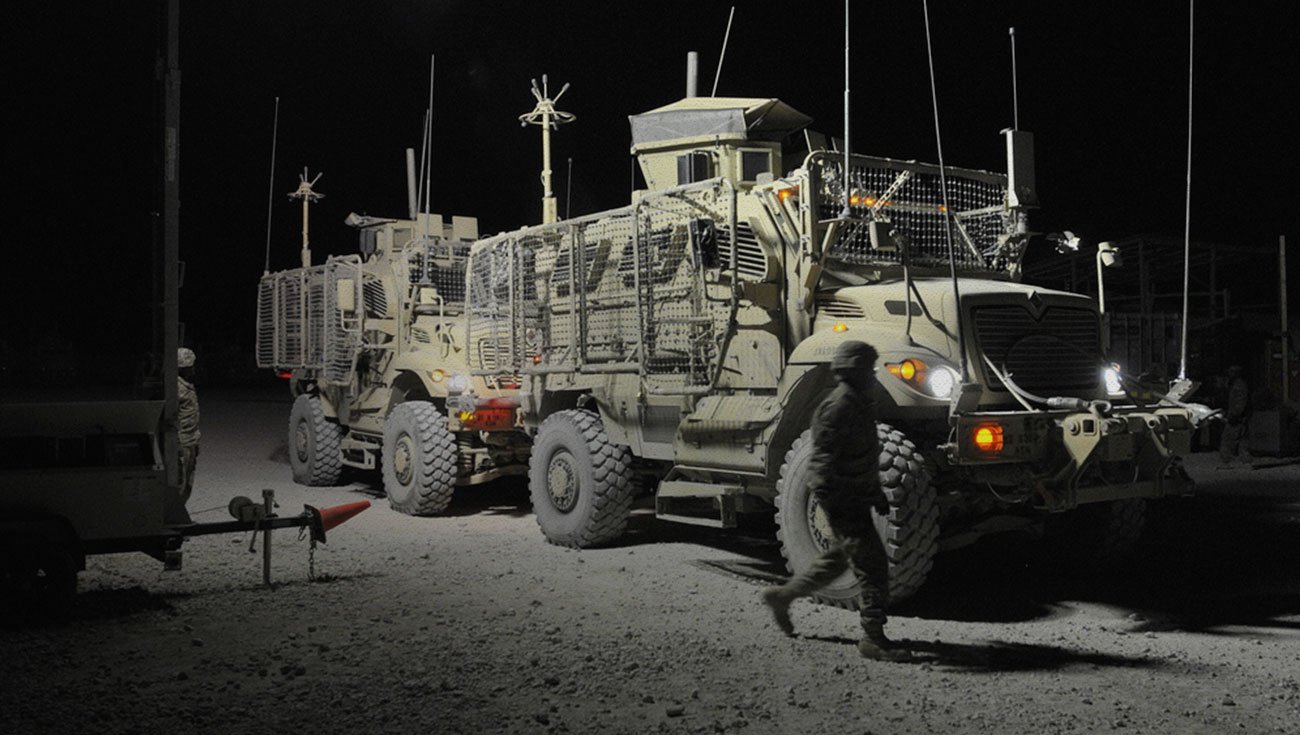
Motor transport operators are primarily responsible for supervising or operating wheel vehicles to transport personnel and cargo. They are the backbone of the Army National Guard's support and sustainment structure, providing advanced mobility on and off the battlefield.
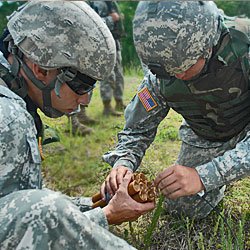
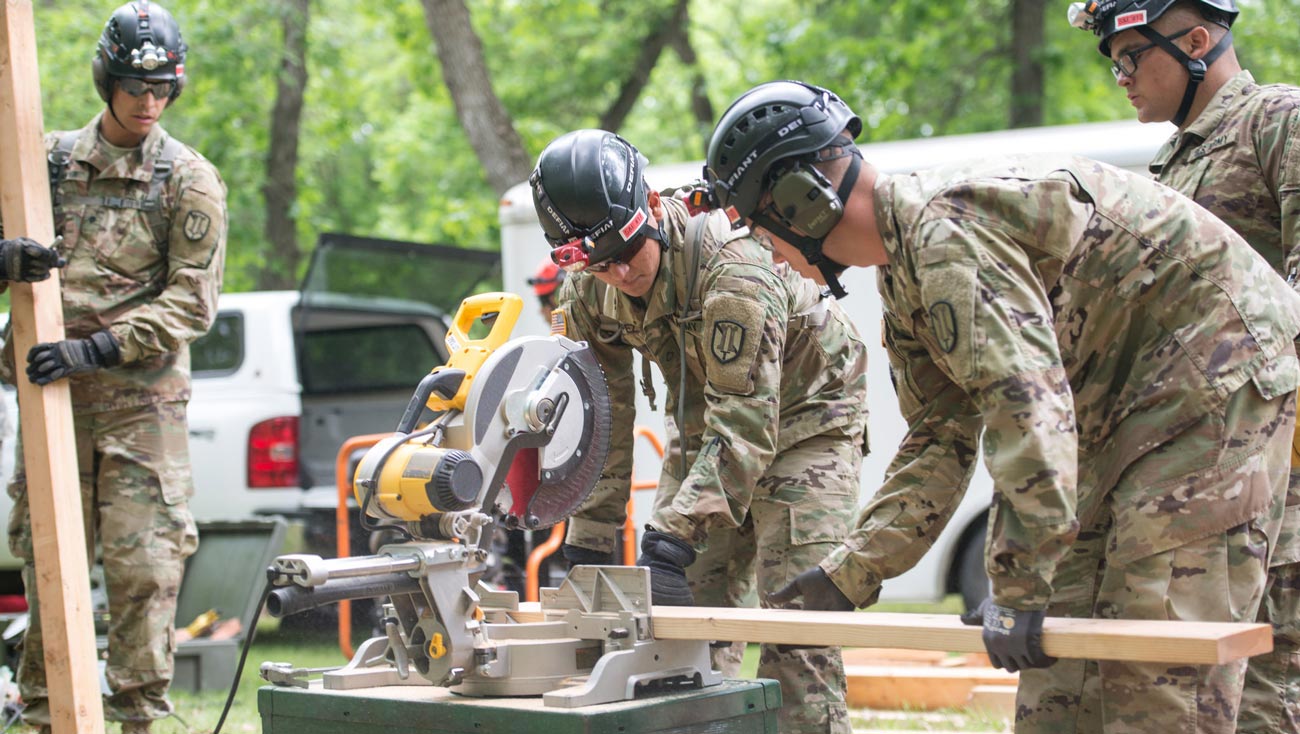
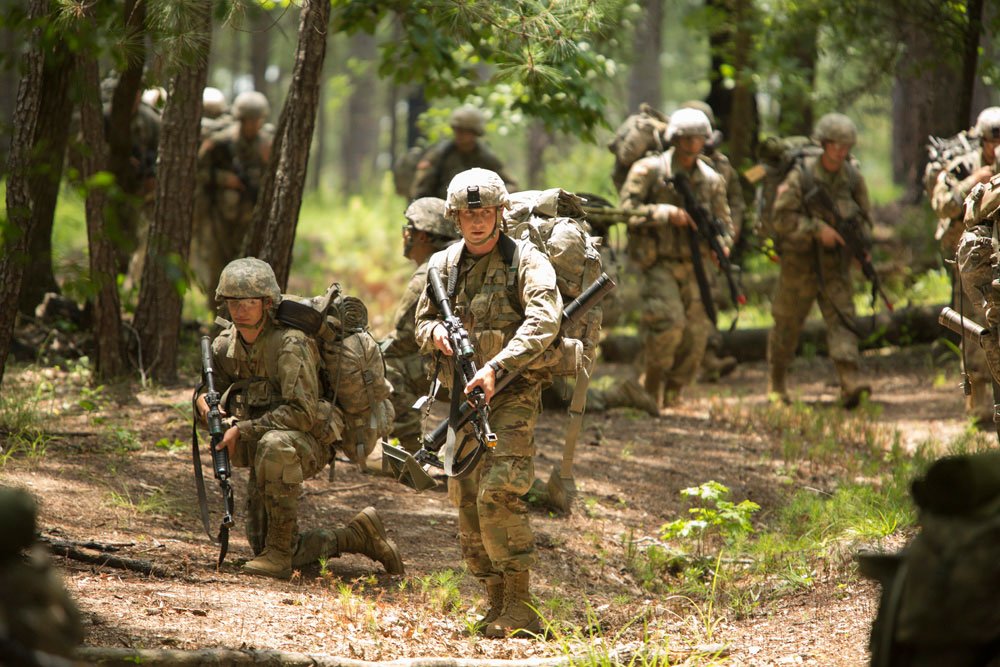
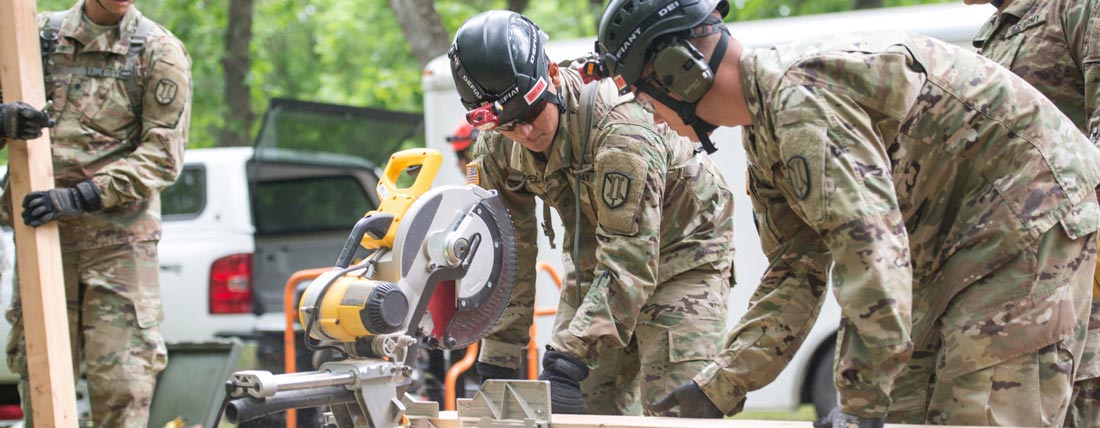
As a combat engineer, you'll get your team out of any tough spot. You'll supervise and assist your team as it tackles rough terrain during combat operations. You will also construct fighting positions, prime and detonate explosives, and become an expert in general engineering.
Bridge crewmembers provide bridge and rafting support for dry and wet gap-crossing operations when a squad, section or platoon tackles rough terrain in combat situations.
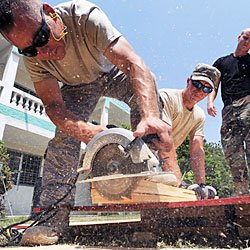
Horizontal construction engineers use bulldozers, cranes, graders and other heavy equipment to move tons of earth and material to complete construction projects for the Army National Guard. They are also responsible for operating tractors with dozer attachments, scoop loaders, backhoe loaders, hydraulic excavators, motorized graders and scrapers.
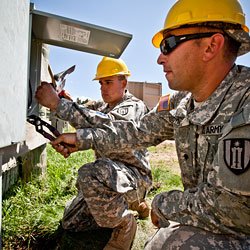
The interior electrician is primarily responsible for the installation and maintenance of all of the Army National Guard's interior electrical systems.
As a technical engineering specialist, you'll write the plan for success by providing the blueprints, diagrams and schematics for anything that needs to be built. You'll survey land with state-of-the-art equipment and software to make your ideas a reality. You'll also ensure the safety and quality of everything being built, taking samples of building materials and testing them in the lab.
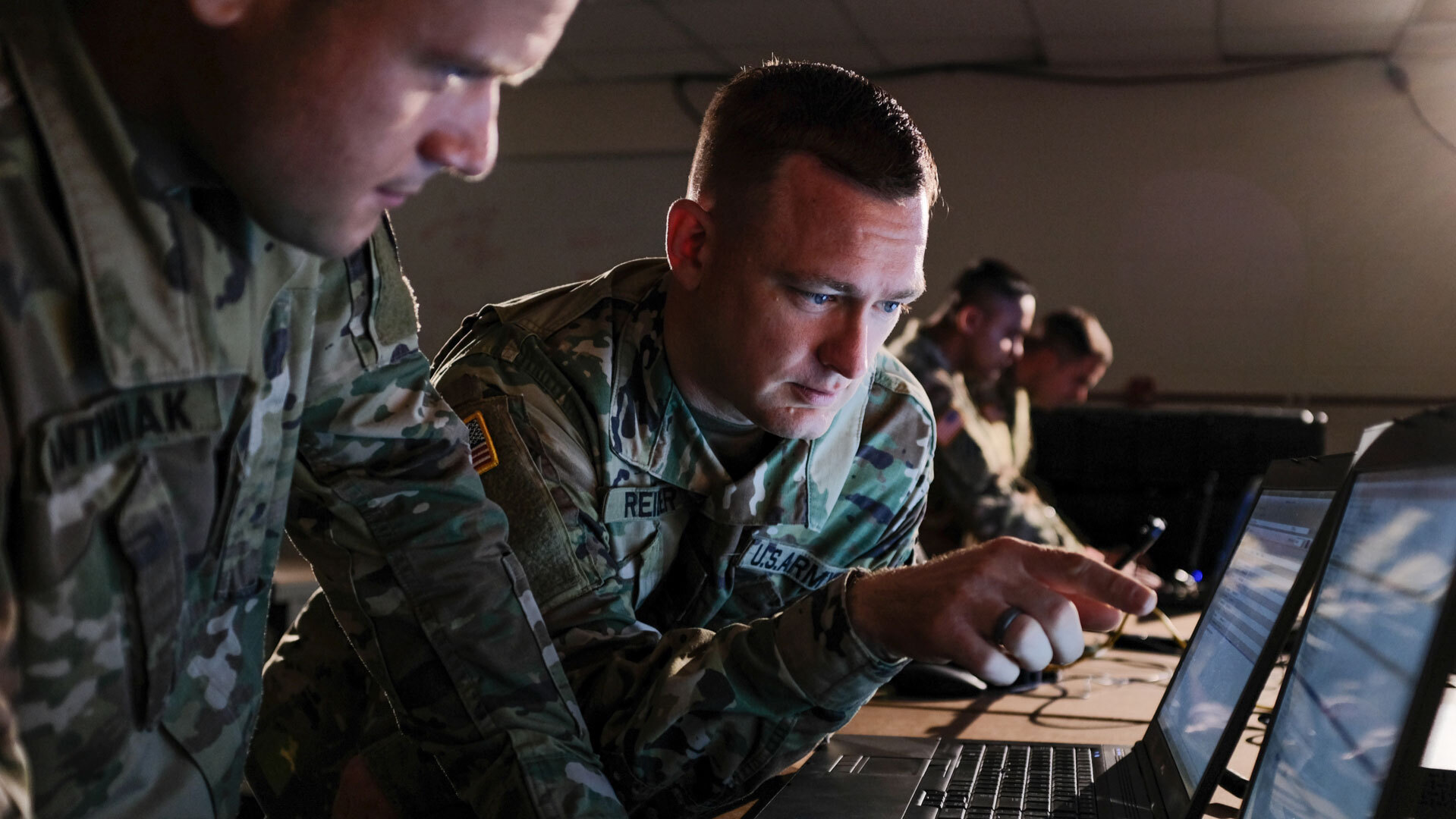
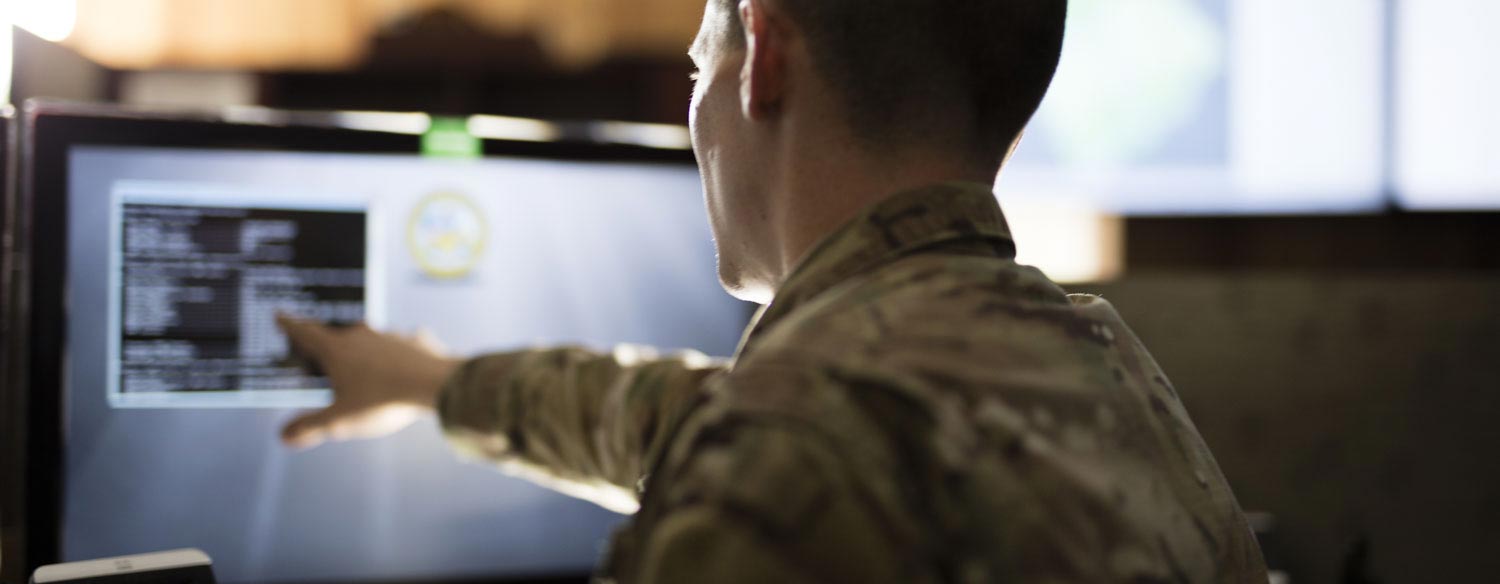
The Air Defense Battle Management System Operator maintains, manages and operates modern complicated military computers on complex networks, communications equipment systems, and the Sentinel Radar in order to provide warning, detection and protection for armed forces from aerial attack, missile attack and aerial surveillance.
The aviation operations specialist is primarily responsible for scheduling and dispatching tactical aircraft missions. They help operate one of the largest fleets of aircraft in the world and keep them running safely and efficiently.
The UH-60 helicopter repairer is primarily responsible for the maintenance of UH-60 helicopters (also known as Black Hawks). With hundreds of Army National Guard missions depending on these helicopters, UH-60 helicopter repairers must ensure that all of them are safe and ready to fly.
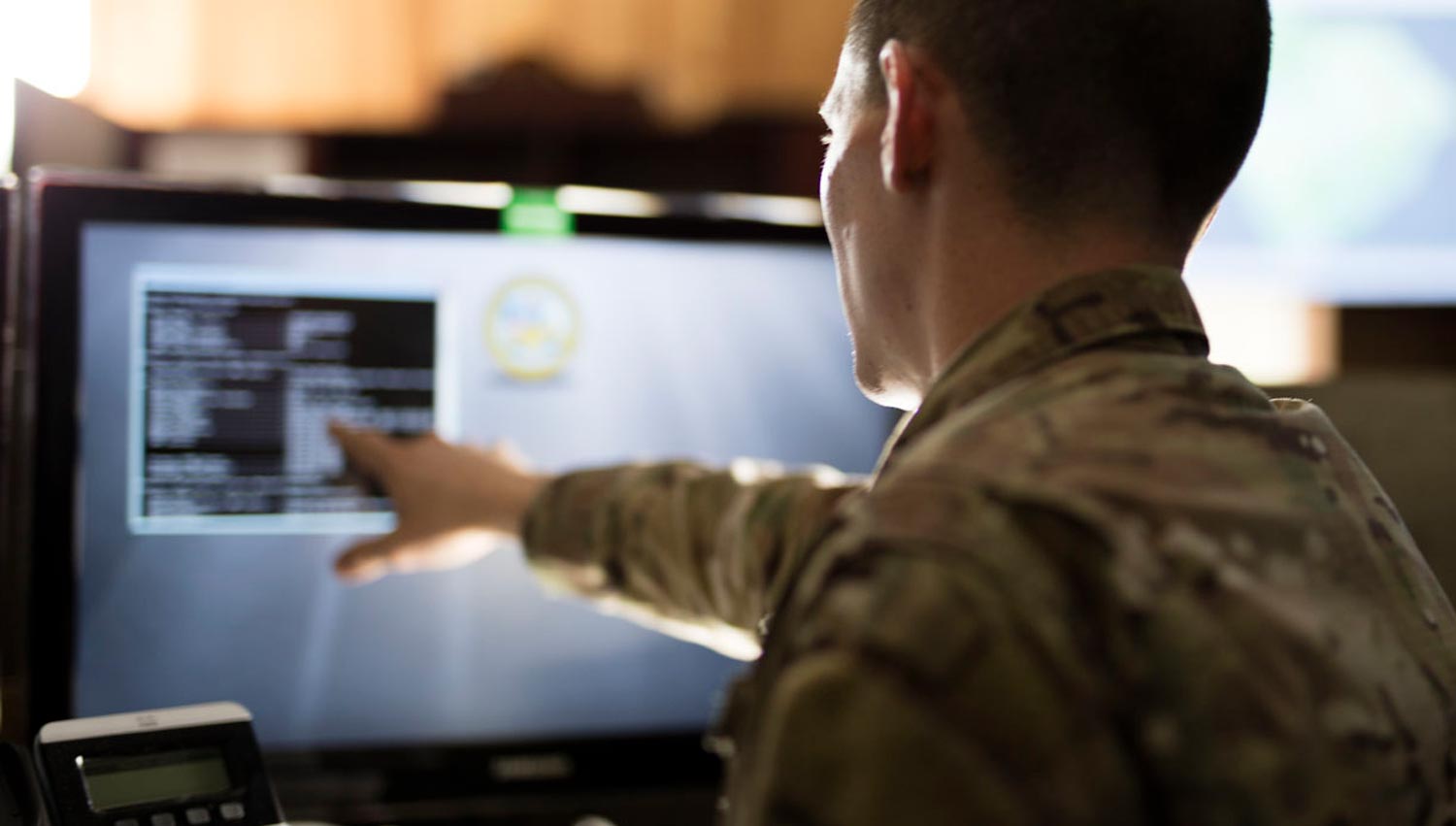
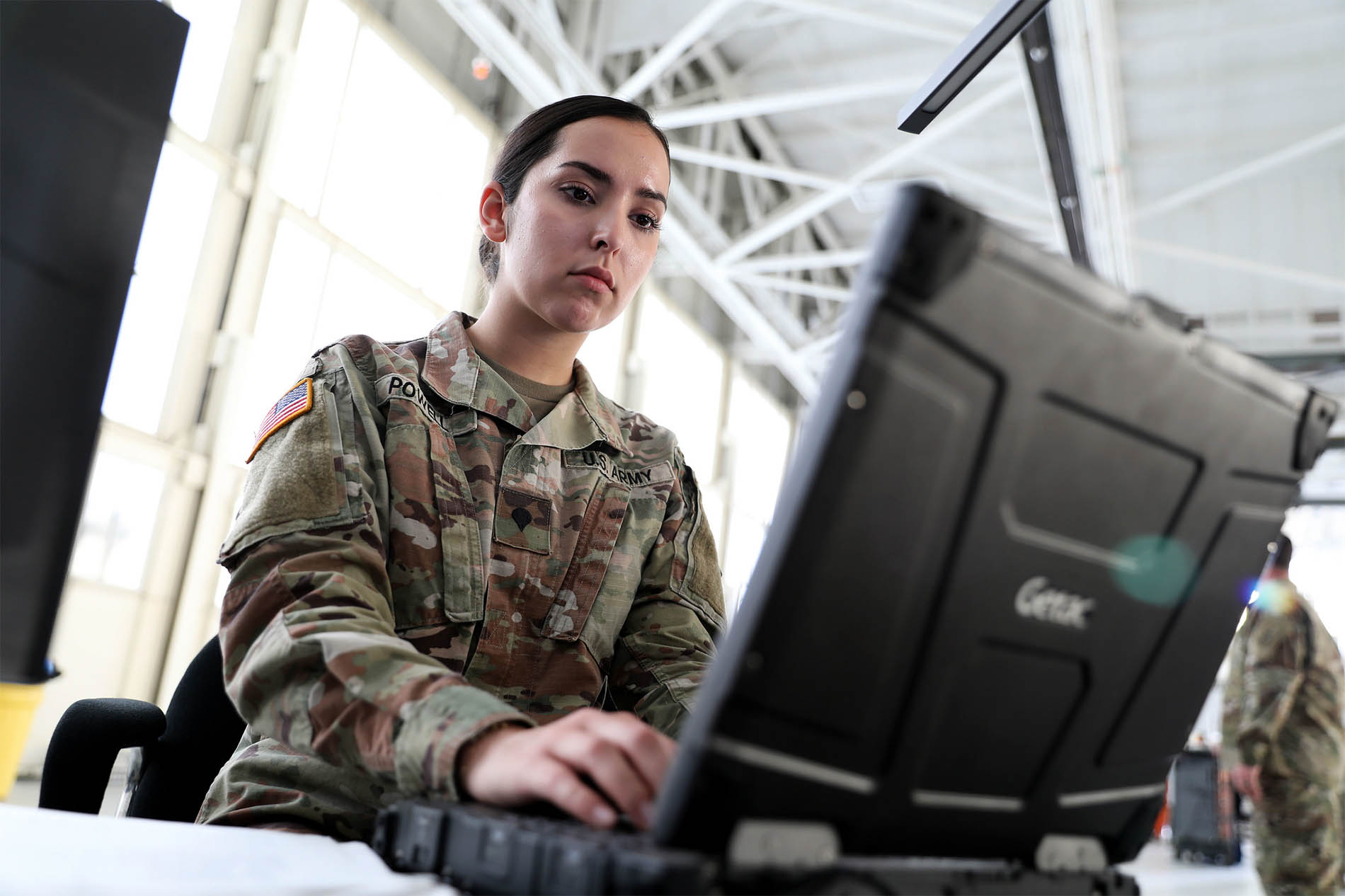
Maintain and troubleshoot systems that support the Army's logistics and classified data. Build firewalls that can withstand any cyberattack and the programs that Guard Soldiers rely on to accomplish their mission.
Multichannel Transmission Systems Operator-Maintainer
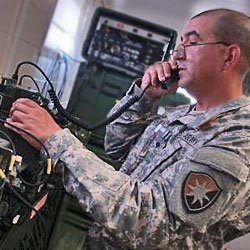
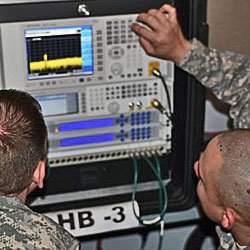
A multichannel transmission systems operator-maintainer works directly on equipment that communicates through more than one channel. They are responsible for the maintenance check of these devices, antennae and associated equipment.
Signal support systems specialists are primarily responsible for working with battlefield signal support systems and terminal devices. This equipment needs to work in order for the Army to direct the movement of its troops.
The paralegal specialist provides legal/administrative support in areas of criminal law, family law, international law, contract law and fiscal law. They assist judges, Army National Guard lawyers and unit commanders with legal matters and judicial work.
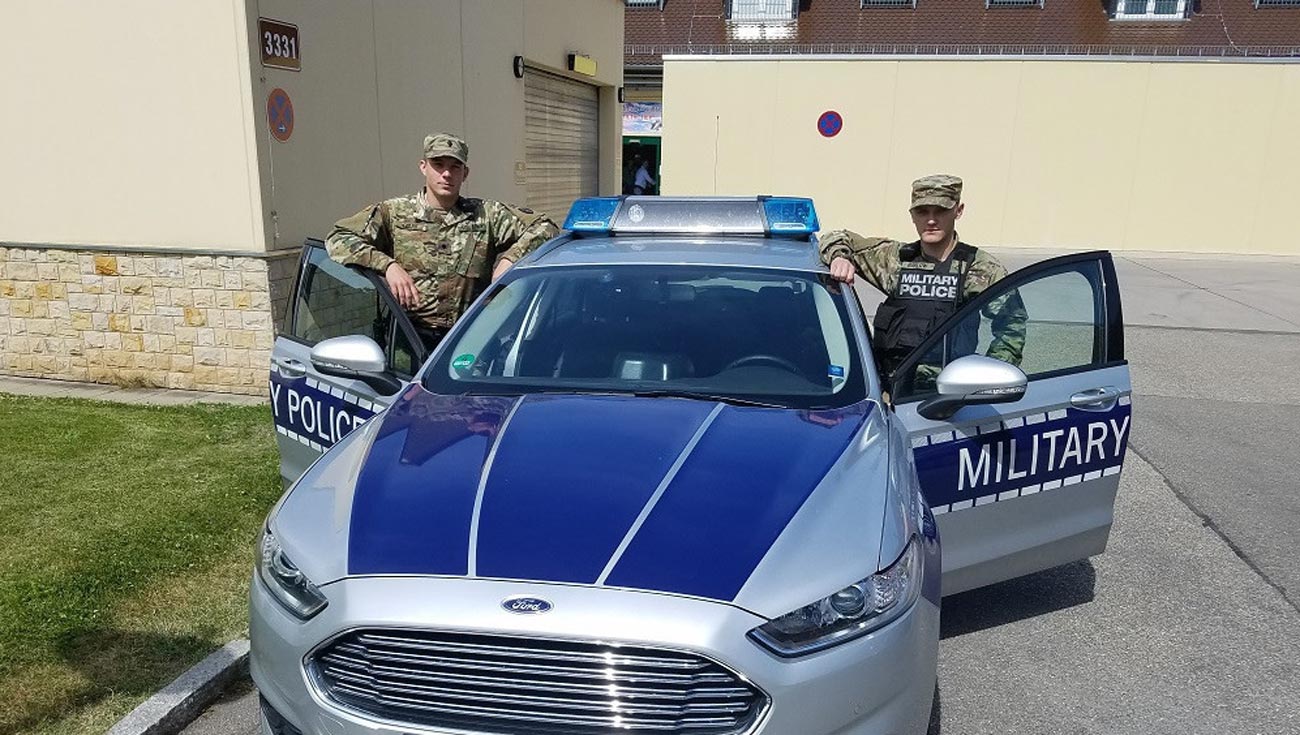
Military police protect the lives and property on Army National Guard installations by enforcing military laws and regulations. They also control traffic, prevent crime and respond to all emergencies.
The intelligence analyst is primarily responsible for the analysis, processing and distribution of strategic and tactical intelligence. They are integral to providing Army National Guard personnel with information about enemy forces and potential battle areas.
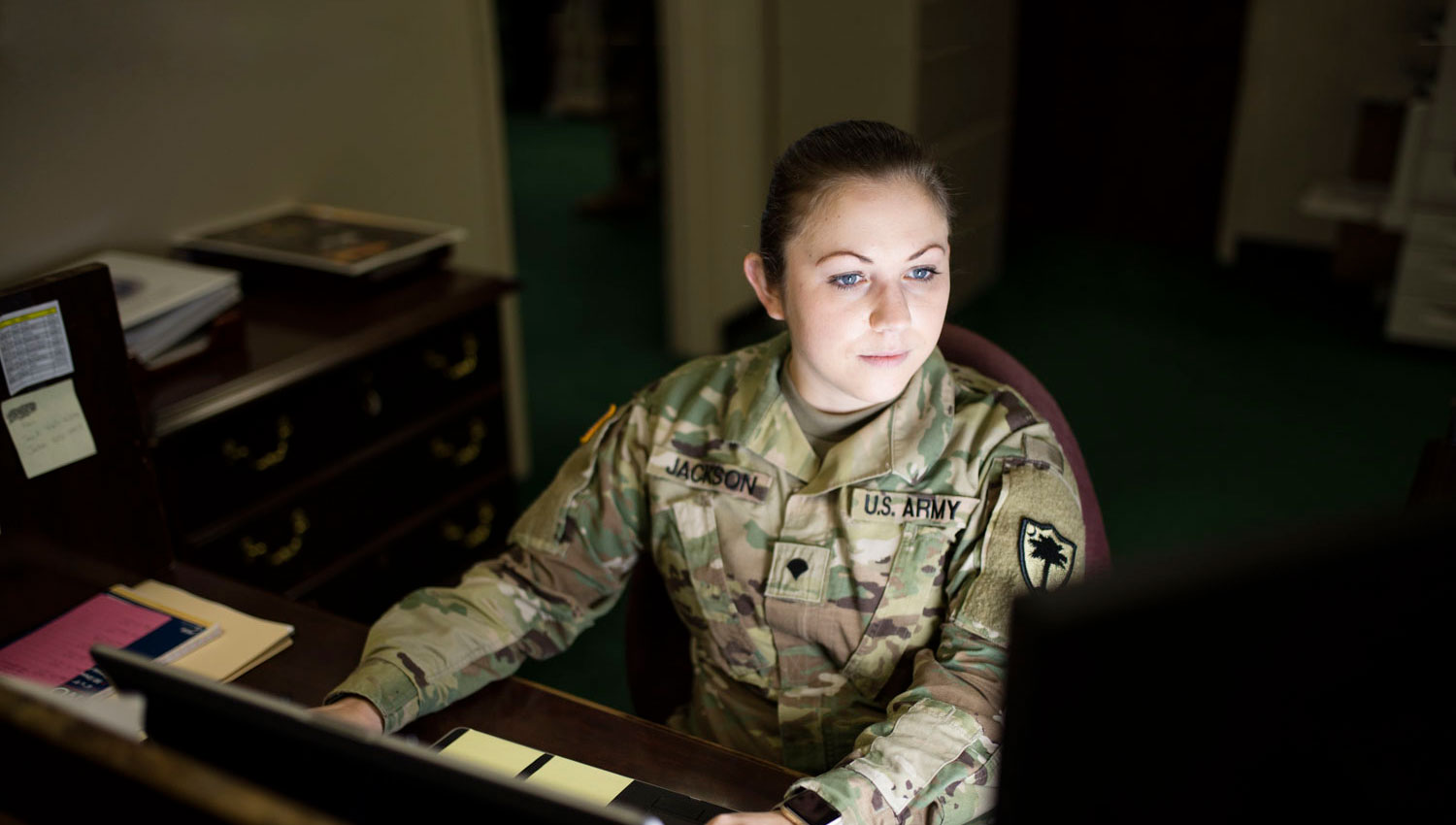
A human resources specialist is responsible for providing support that affects Soldiers' overall welfare and well-being, while assisting leaders with keeping Soldiers combat-ready and effective.
Musicians specialize in one (or more) of the following instruments: tuba, trombone, euphonium, bassoon, electric bass guitar, saxophone, flute or piccolo, oboe, clarinet, French horn, percussion, cornet or trumpet, guitar, and keyboard.
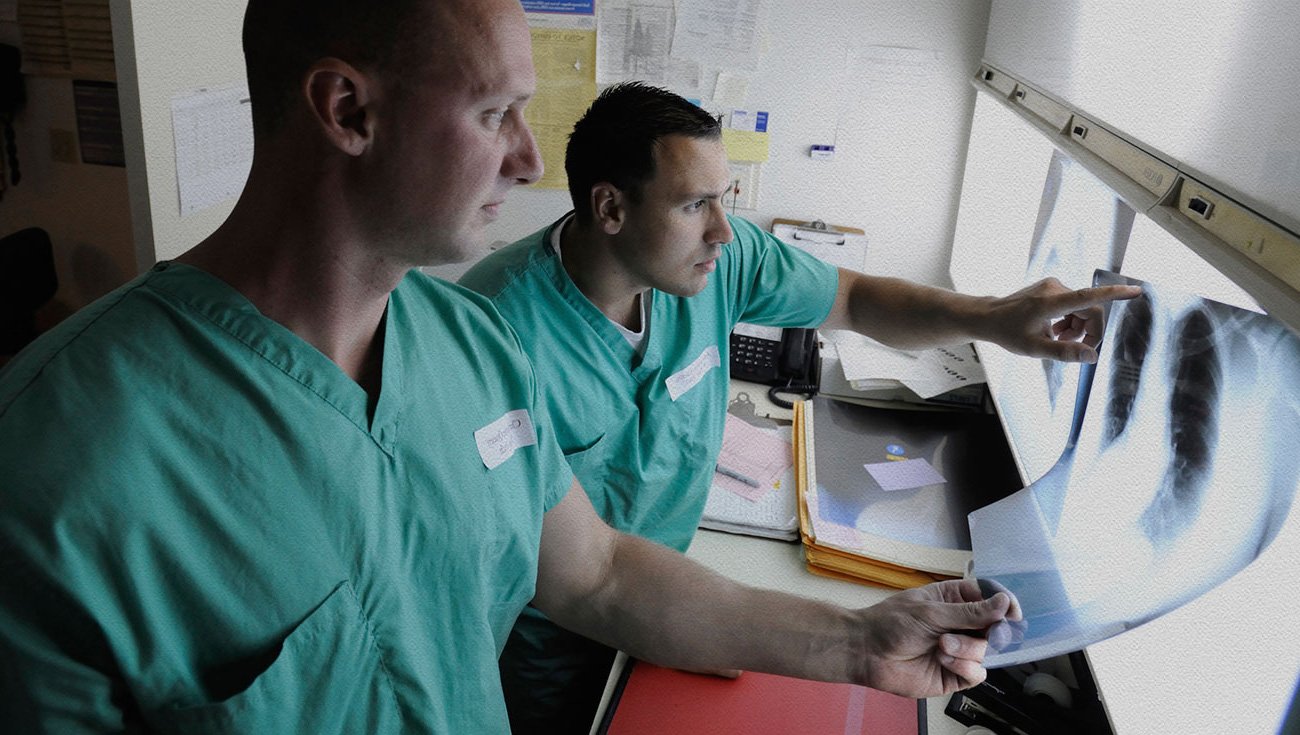
The health care specialist is primarily responsible for providing emergency medical treatment, limited primary care, and health protection and evacuation from a point of injury or illness.
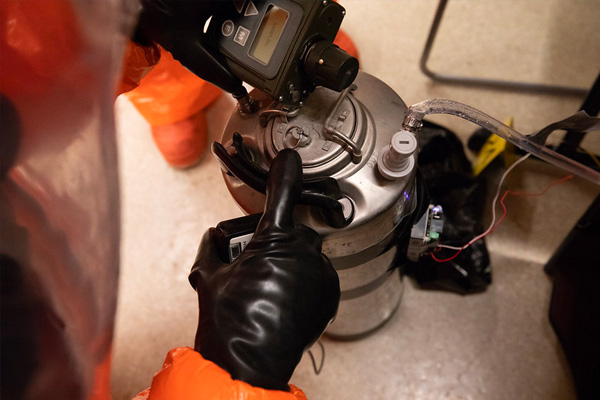
Chemical, Biological, Radiological and Nuclear (CBRN) Specialist
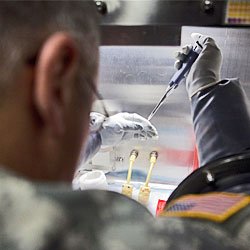
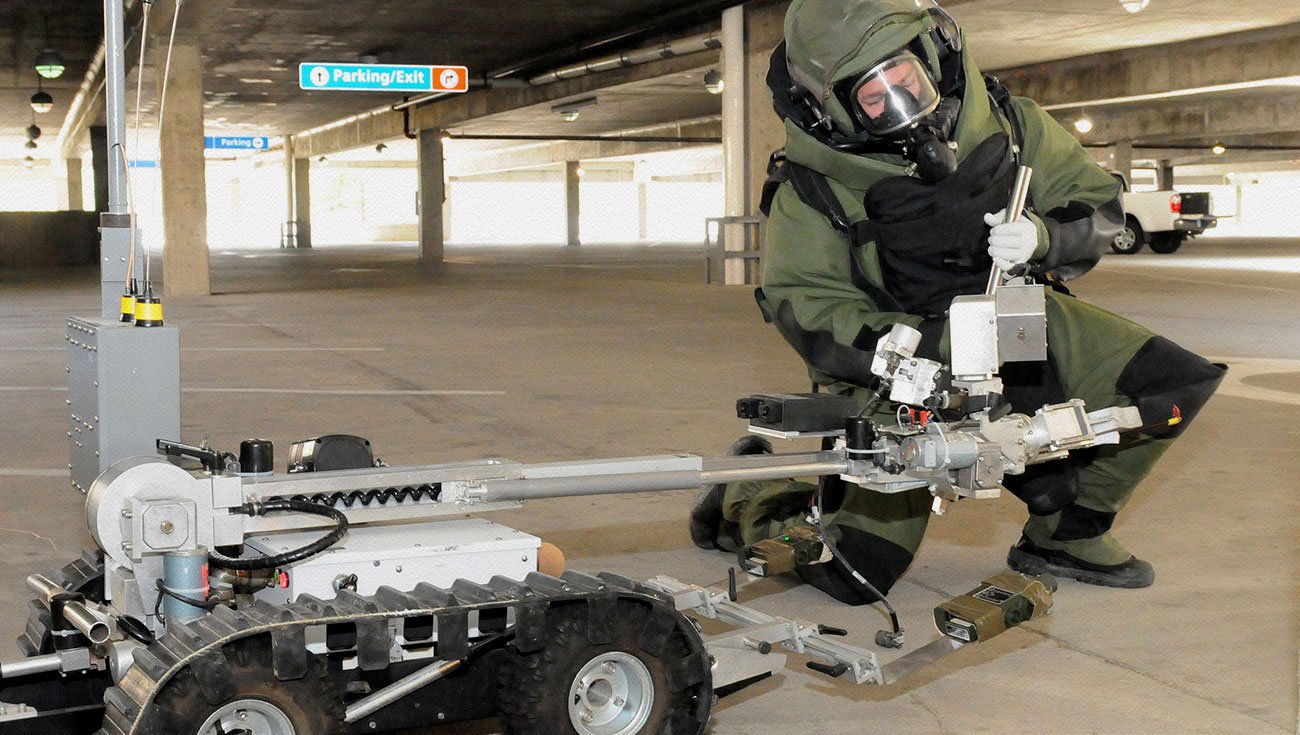
Be the first line of defense against weapons of mass destruction. You will be responsible for defending a nation against the biggest and most powerful threats that exist. You will be trained and trusted to handle defense measures, response operations, detection equipment and decontamination equipment.
Ammunition specialists are specialized Soldiers who are responsible for the management of ordnance (ammunition and explosives). They are tasked with receiving, storing and issuing conventional ammunition, guided missiles, large rockets, explosives, and other ammunition- and explosive-related items.
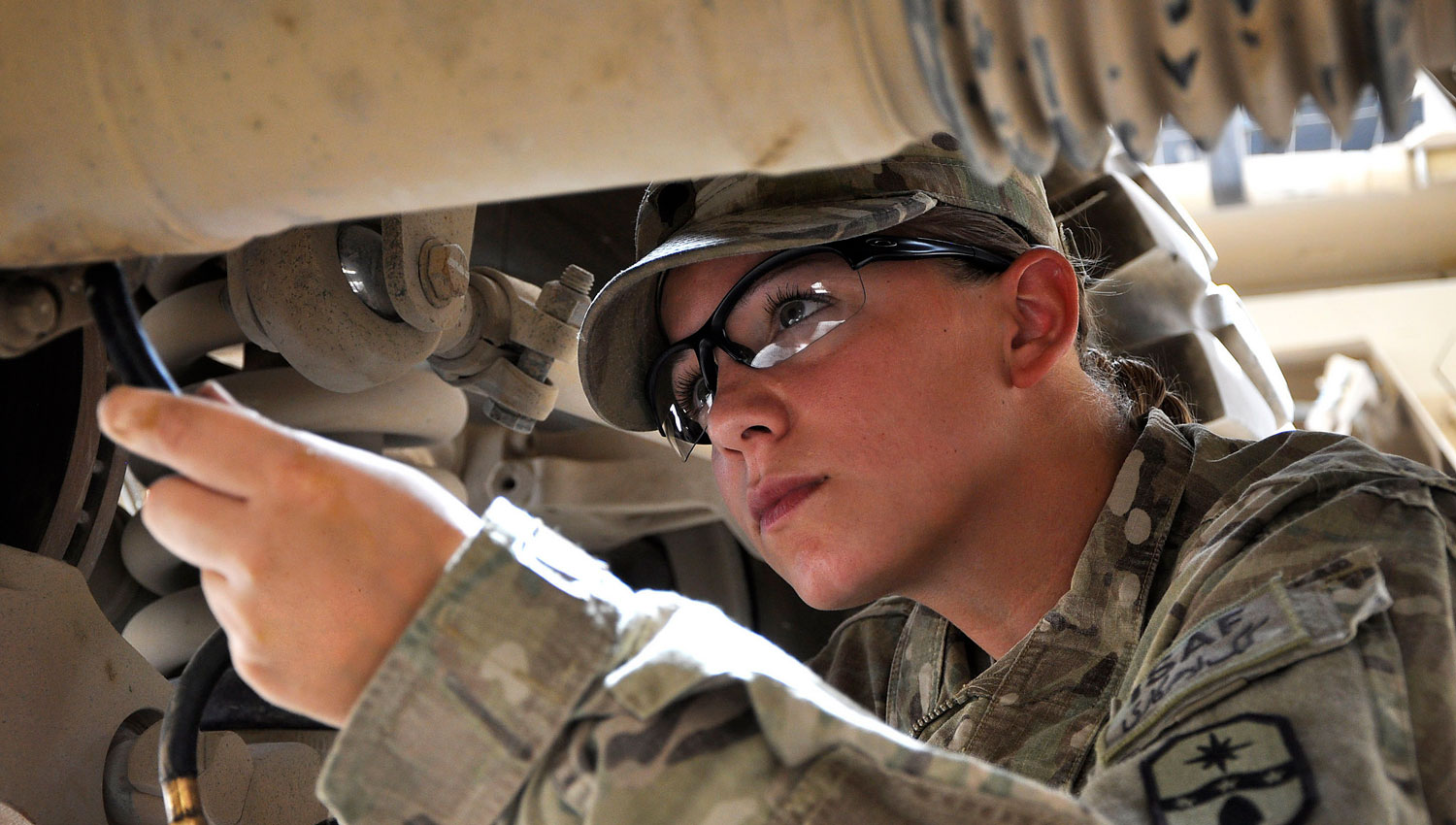
The wheeled vehicle mechanic is primarily responsible for supervising and performing maintenance and recovery operations on wheeled vehicles and associated items, as well as heavy-wheeled vehicles and select armored vehicles.
The tactical power generation specialist is responsible for supervising and performing maintenance and overhaul of power generation equipment, internal combustion engines and associated equipment in mobile and stationary power plants.
The allied trade specialist is primarily responsible for supervising and performing the fabrication, repair and modification of metallic and nonmetallic parts. They operate lathes, drill presses,grinders and other machine shop equipment.
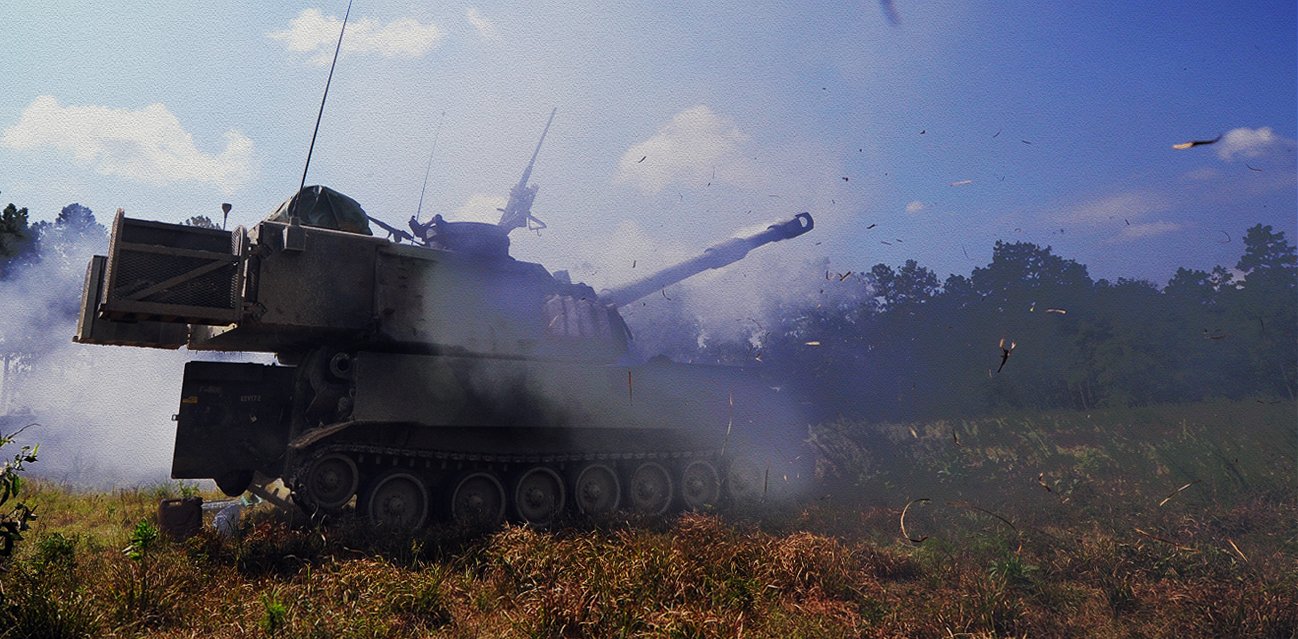
The small arms/artillery repairer is responsible for keeping a wide array of weapons—from small arms to field artillery and large ballistic missiles—operating properly.
The track vehicle repairer is primarily responsible for performing maintenance on tracked vehicles and supervising activities that include fuel and electrical system repair and maintenance.
The quartermaster and chemical equipment repairer is primarily responsible for supervising or performing maintenance on chemical equipment, quartermaster machinery, forced air heaters and special purpose equipment.
Construction equipment repairers are responsible for maintaining trucks, bulldozers, power shovels and other heavy equipment needed for construction operations.
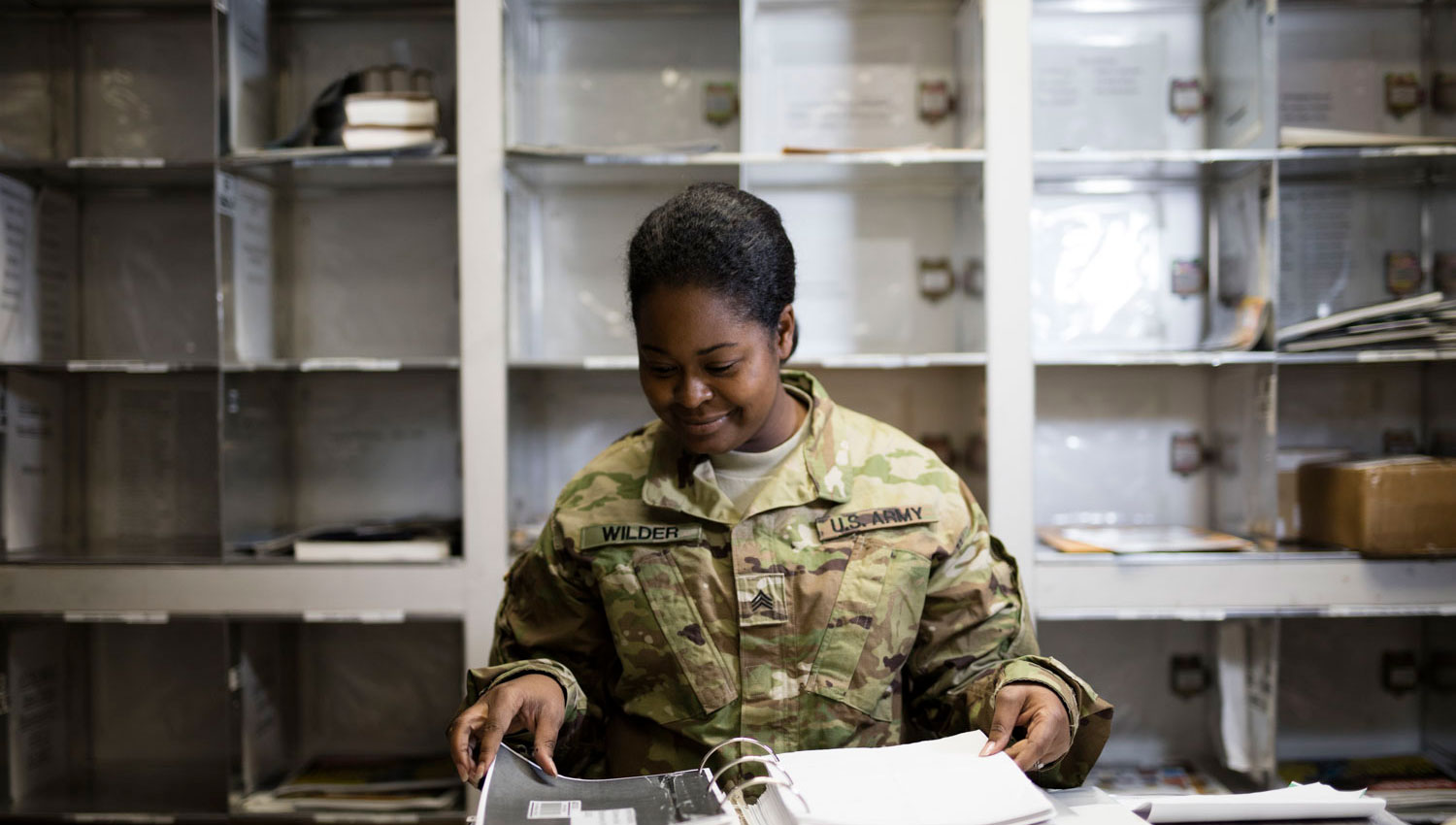
The automated logistical specialist is primarily responsible for supervising and performing management or warehouse functions in order to maintain equipment records and parts.
Petroleum supply specialists are primarily responsible for supervising and managing the reception, storage and shipping of bulk or packaged petroleum-based products.
The unit supply specialist is primarily responsible for supervising or performing tasks involving the general upkeep and maintenance of all Army National Guard supplies and equipment.
The radio/communications security repairer performs or supervises field- and sustainment -level maintenance on radio receivers, transmitters, communication security equipment, controlled cryptographic items and other associated equipment.
The computer detection systems repairer performs maintenance and repair on a variety of critical systems and equipment, including microcomputers and electromechanical telecommunications equipment, field artillery digital devices, Global Positioning System receivers, night vision devices/equipment, and laser and fiber optic systems.
The radar repairer is an essential member of the Army National Guard communications maintenance team and performs maintenance on ground surveillance radar and associated equipment.
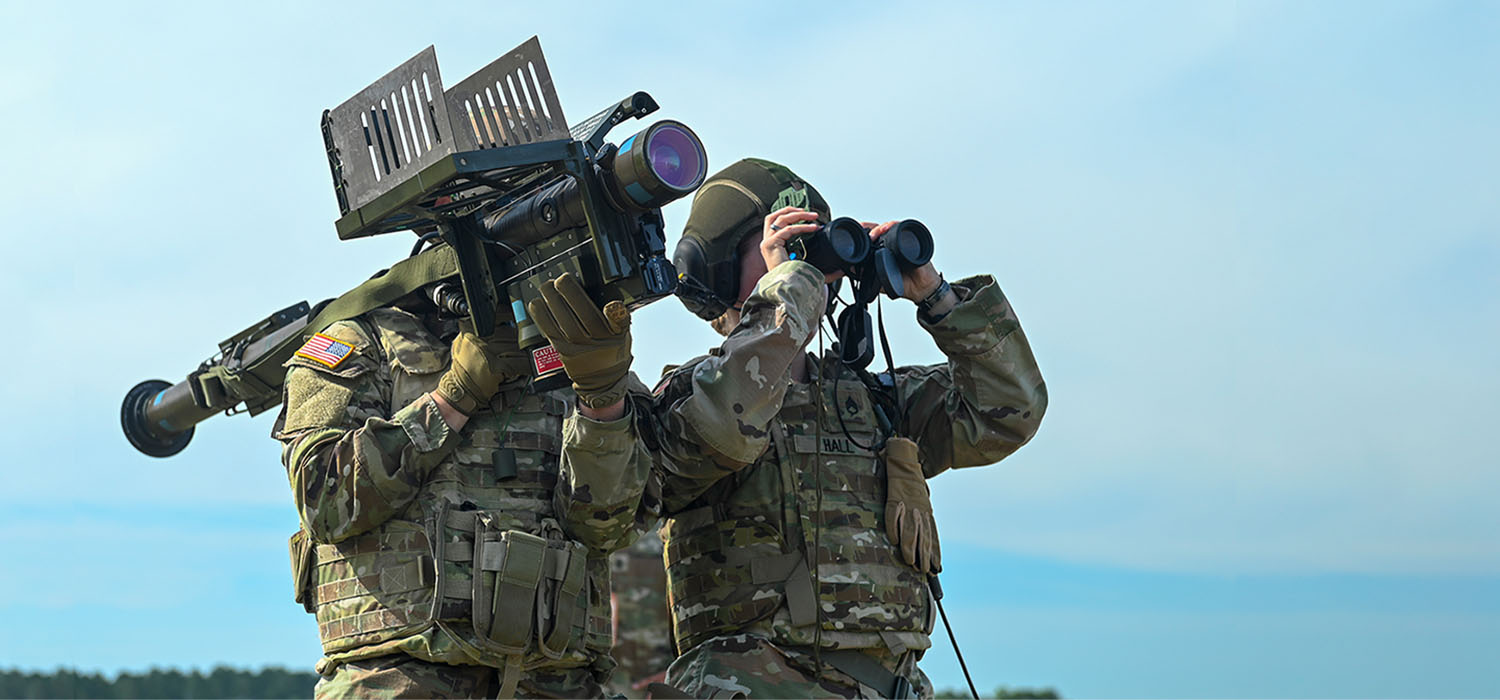
As an essential member of the Army National Guard's weapons maintenance team, the Short Range Air Defense System Repairer is primarily responsible for performing and supervising maintenance on the AVENGER system, a lightweight, highly mobile and transportable surface-to-air missile/gun weapons system that provides short-range air defense protection against air and land attacks.
 88M